
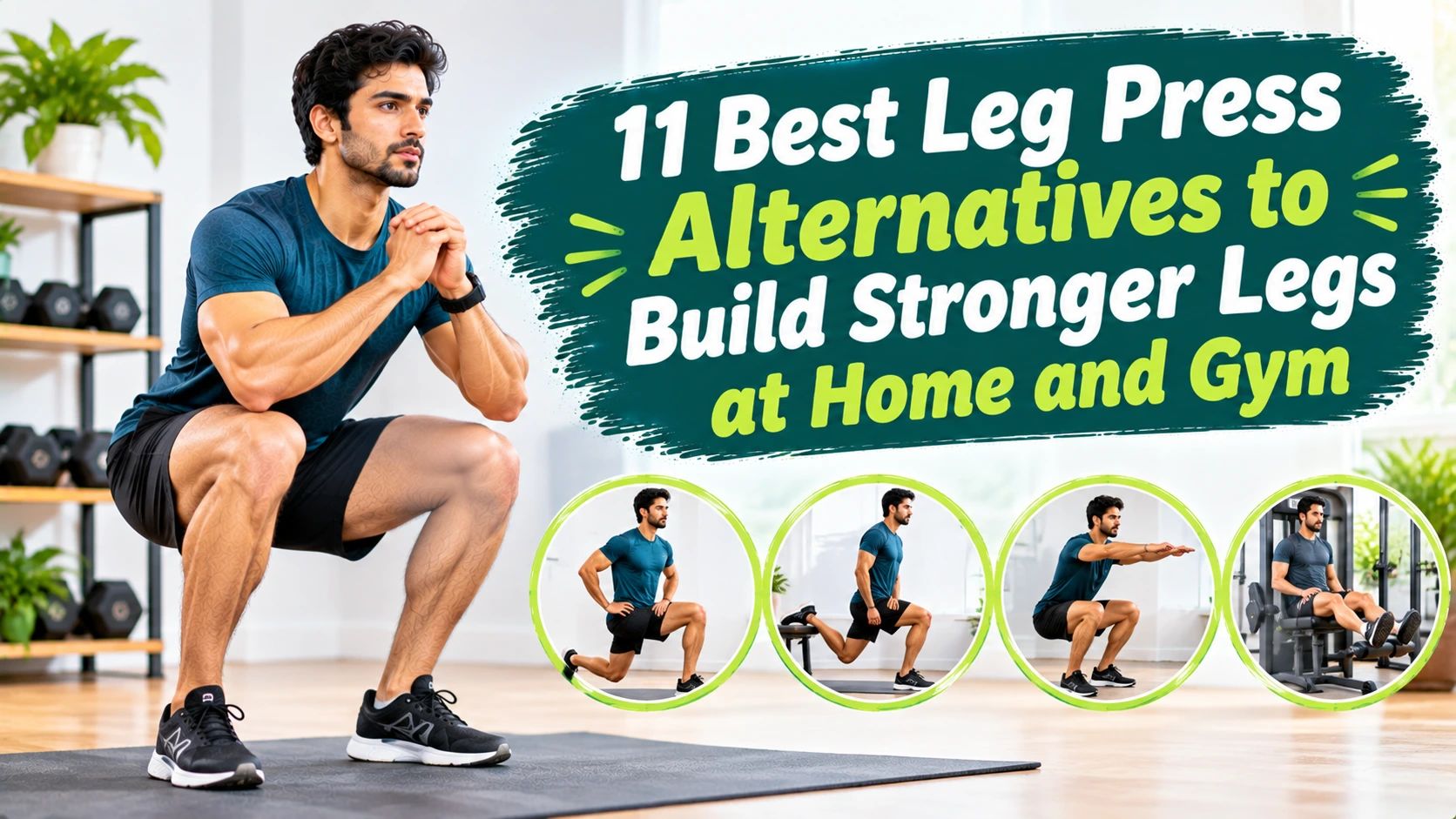
Everybody wants to have a stronger lower body so that they can work swiftly in their respective work area and have a longer shelf life. Moreover, if we talk about getting the best quadriceps, hamstrings, glutes and thighs, we often see people doing leg press machine workouts in the gym. But nowadays, everybody wants to train these muscles in their home space as well and wants to do it without any equipment. A lower back spinal injury may also be the reason behind finding the best Alternative to leg press workouts. Sometimes, not everyone has access to a gym where they can do leg press on machines. Hence, they would need to train these muscles by finding alternatives to the leg press. So, I will guide you through this article and give you the best alternative leg press exercises that you can do at home or at the gym, with or without equipment.
Table of Contents
What Is the Leg Press Exercise?

The leg press is one of the best exercises you can do to improve foot position and support healthy knee function. Those who do leg press on their leg workout day have better posture for deadlifts and a good squat position.
What Makes the Leg Press Useful for Leg Training?
It primarily trains your quadriceps, glutes and hamstrings, which help with proper lower body mobility and better functionality in everyday life. When you do a leg press on a machine, you already get back support, which helps you give full effort with fewer chances of injury while doing the exercise. You can work out to failure without getting overwhelmed by your upper body posture and achieve muscle hypertrophy.
Furthermore, you can hit different parts of your lower body through this workout; for example, when you do the standard leg press exercise, you train the base part of your glutes as well as your quads. With high foot placement, you train your glutes and hamstrings. With low foot placement, you train your quads more. With wider foot placement, you train your abductor muscles in your thighs. With narrow foot placement, you train your outer quadriceps.
Which Muscles Does the Leg Press Target?
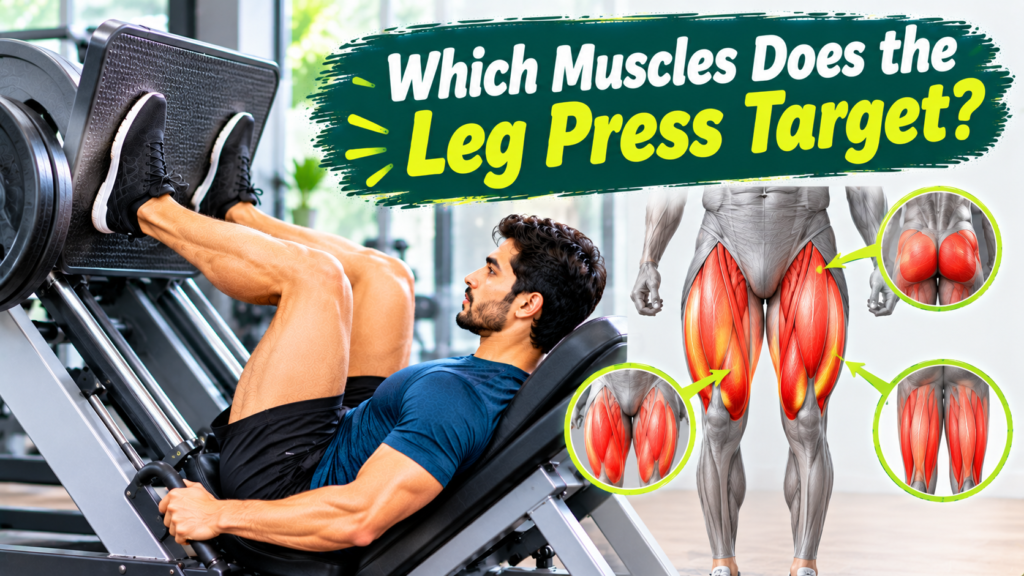
The leg press workout targets mainly these muscles, which I will further elaborate on to make these terms easier to understand:
Quadriceps
These are the outer thigh muscles that are used during the workout to exert pressure when pushing the machine away from our initial position.
When you do the close-stance variation, your quads are more flexed than your glutes and hamstrings. This puts more pressure on them and less on the glutes and hamstrings. This is how you hit your quads while doing the leg press.
Glutes
When performing the deeper leg press exercise, you need muscle to extend your hips and do the workout properly, so here the glute muscles do their work efficiently. When you do the wide-stance variation, your glutes and hamstrings are activated. This puts pressure on them and less on the quads. This is how you train your glutes while doing the leg press.
Hamstrings
When you put your foot in a wider stance for doing the leg press, you mainly hit your hamstrings and glutes. Here, we put less pressure on our knees and focus on the back of the thigh, which is the hamstrings and glutes, and this helps us move in a wide-leg stance for the leg press workout.
Calves
Calves are mainly used for ankle support and swift movement of the foot and toes during downward movement.
Why Look for an Alternative to Leg Press?
These are the reasons why you must look for an alternative to the leg press workout:
- No access to a leg press machine: If you do not have a gym near you or you can’t afford a gym right now. You can look for an alternative to the leg press exercise.
- If you can only do a home workout: If you don’t have time to go to a gym, then you can do alternative exercises for the leg press that can be easily done at home.
- Wanting more exercise variety: If you are bored of doing this leg press exercise every time, then you can look for alternatives to the leg press, as there are varieties of exercises that you can do to train the same muscle you train with the leg press.
- Preference for free-weight or bodyweight training: If you are done with the normal cardio workout and want to do bodyweight training or free-weight training, then you can opt for an alternative to the leg press workout.
11 Best Leg Press Alternatives for Stronger Legs
1. Hack Squat
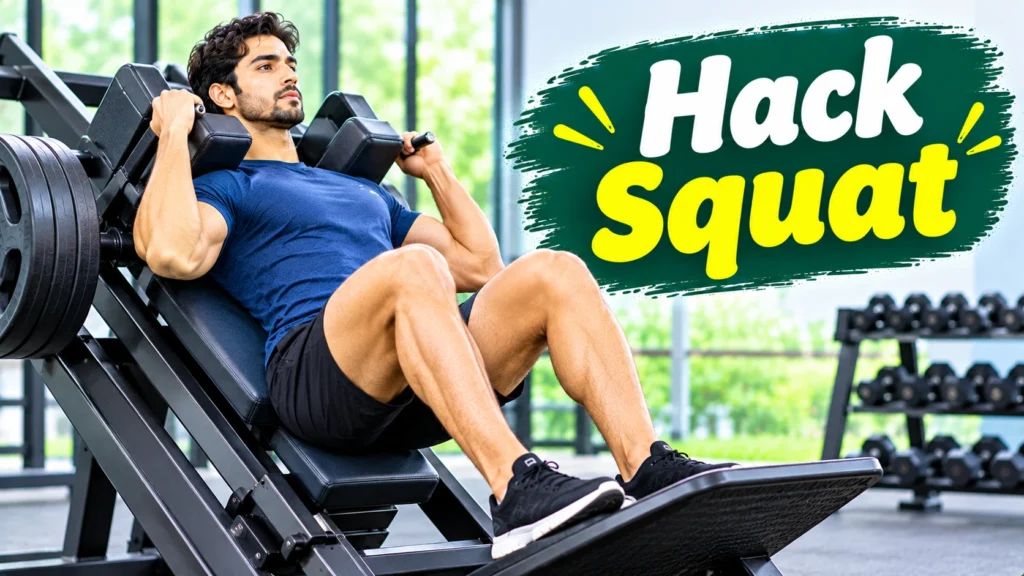
Equipment: This workout is for gym-goers who use a hack squat machine to train their quad muscles, which they usually train on a leg press machine.
Which Muscles are targeted: It mainly hits your quads and also engages your glutes, hamstrings, and calves.
How to perform it: Stand on the machine with your feet parallel to your shoulders, and rest your upper body against the pads of the machine. Release the safety handles, then go down in a controlled movement and take your knees to a 90-degree angle, then press back up from your quads and get up in the initial position.
Why it’s a great leg press alternative: In the machine, your back is against a pad, which takes pressure off your lower spine while letting you train your upper thigh muscles much deeper than a seated leg press.
2. Barbell Back Squat
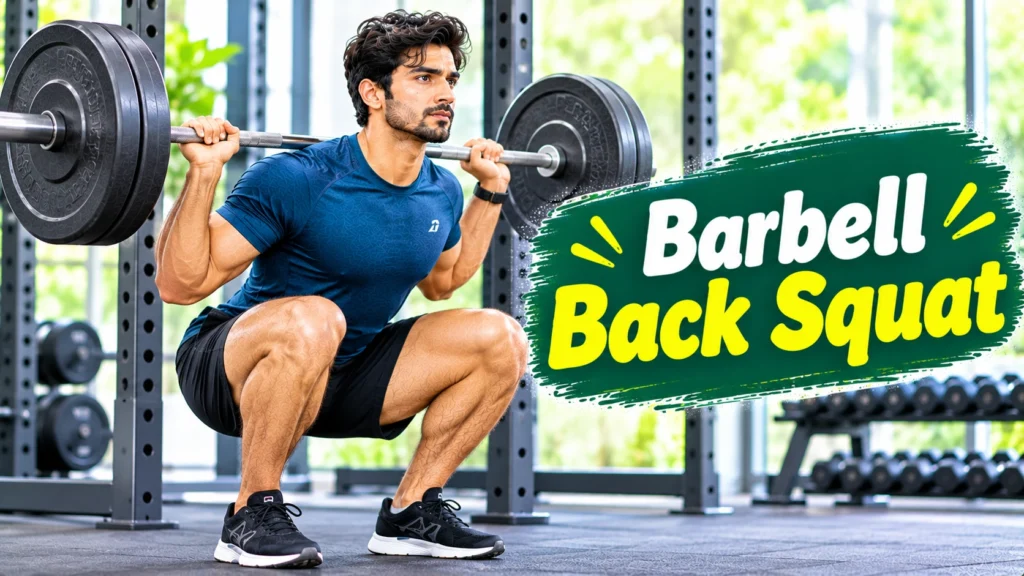
Equipment: You will need gym space for this, as it requires a Barbell, weight plates, and a squat rack with set up properly.
How to perform it: A complete lower-body builder targeting your quads, glutes, hamstrings, and lower back, while core muscles work overtime to keep you upright.
Technique: Get into the Barbell with your shoulders beneath the bar and start lifting the Barbell with your shoulders, breathing in while holding the bar. Step back with your feet shoulder-width apart. Now lower yourself until your thighs are parallel to the ground. Then move up with the Barbell while exhaling at the top.
Common mistakes to avoid: Letting your knees move inward, bending your lower back forward, looking straight up instead of keeping a neutral neck position, and squatting shallow without hitting proper depth.
3. Front Squat
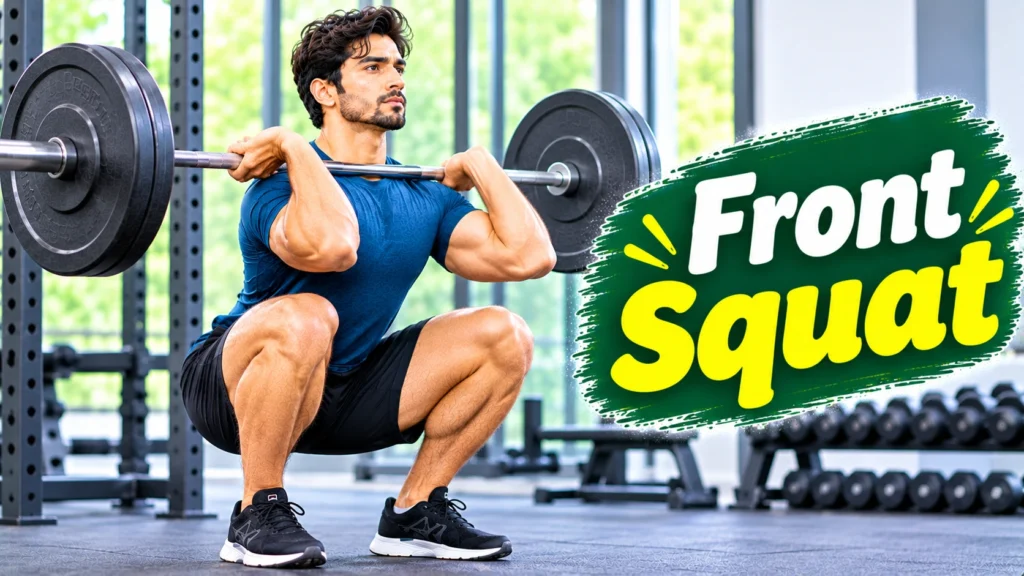
Equipment: Just your own body weight and a small space.
How to perform it: It mainly uses your quads and core strength, along with your glutes and upper back muscles.
Technique: Stand tall with feet shoulder-width apart. Place your elbows in front of your shoulders. Keep your chest up. Move your hips back and bend your knees. Go down until your thighs are parallel to the ground with an exhale. Now get back up to the starting position with an inhale.
Benefits over the leg press: It trains and strengthens your core muscles, along with multiple muscles in the body. It also encourages a much more natural, functional range of motion for everyday movement.
4. Goblet Squat
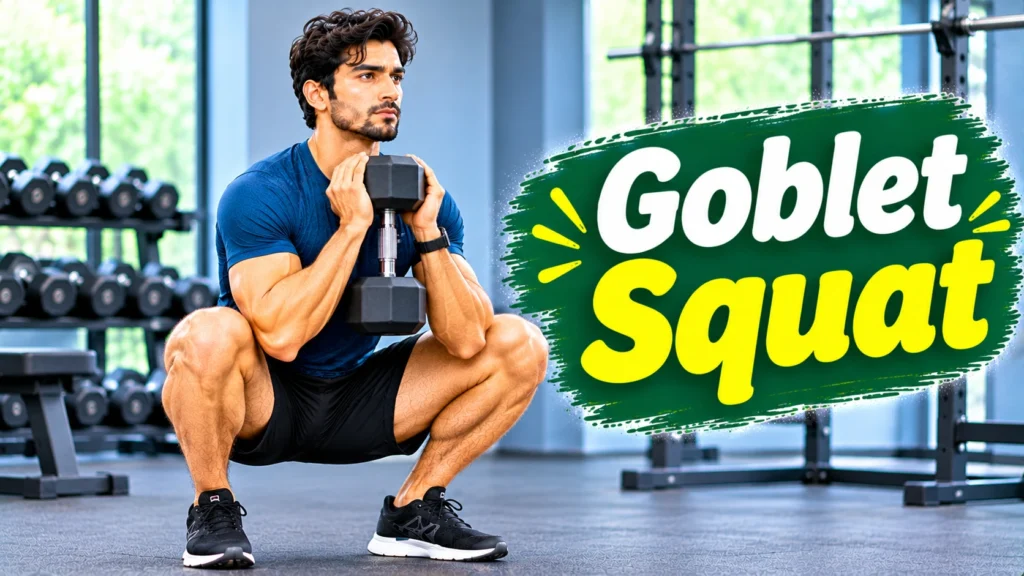
Equipment: No equipment required
Muscles targeted: The main focus is on quads and core, with also engaging your glutes and upper back.
How to perform it: Stand with your feet slightly wider than shoulder-width. Clasp your hands in front of your chest and keep your upper body upright. Engage your core muscles, move your hips back, and go down smoothly into a deep squat. Hold at the bottom for a few seconds, and come back up.
Why beginners prefer it: Holding your hands in front acts as a natural counterbalance, making it much easier to keep your chest up, avoid leaning forward, and do a deep, safe squat.
5. Bulgarian Split Squat
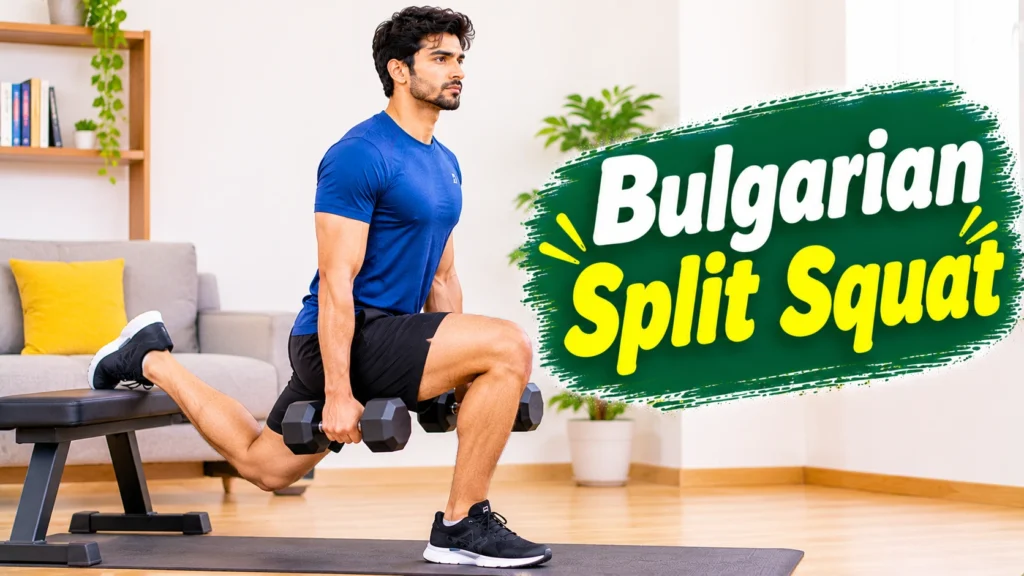
Equipment: A pair of dumbbells or kettlebells, a heavy chair or any heavy box.
Muscles targeted: The focus is on your quads and glutes, and it also targets other muscles as well, like hamstrings and calves.
Step-by-step technique: Stand a couple of feet in front of the bench, facing away. Place one leg back, placing the top of your foot flat on the chair. Now hold a dumbbell in both hands, lower the knee that is on the bench toward the ground until your front thigh is nearly parallel to the ground and then get back up.
Balance and stability considerations: Keep your chest slightly bent forward and focus on a single spot forward to maintain movement.
6. Dumbbell Lunges
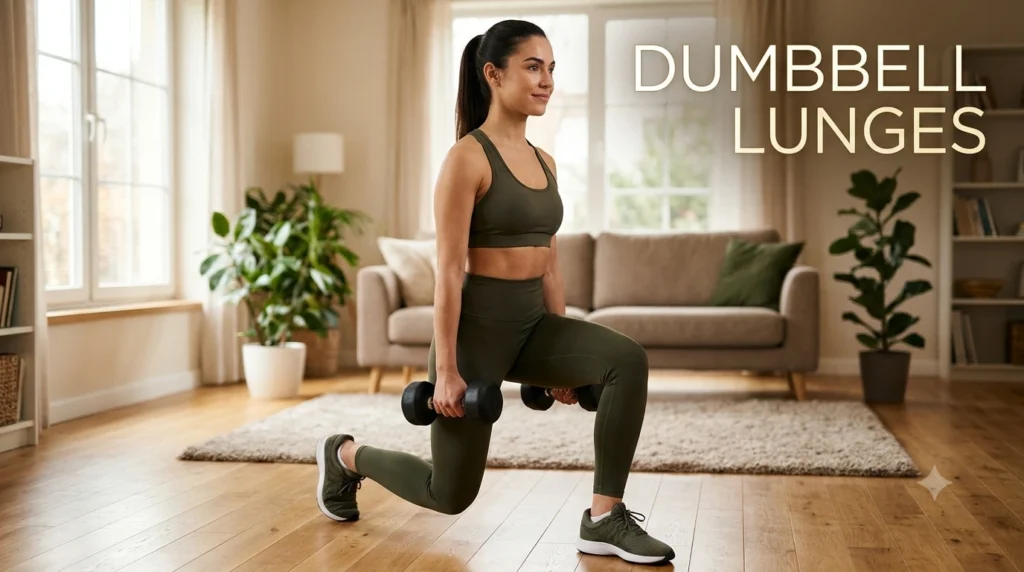
Equipment required: A pair of dumbbells and a floor space to exercise safely.
Which muscles are targeted: This exercise focuses on your outer thighs and glutes, with your hamstrings and calves.
How to perform them: Stand tall holding a dumbbell in each hand. Take a step forward with one leg, move down straight with your hips until both of your knees are parallel to the ground. Get back up to return to the starting position, then repeat it with the other leg as well.
Benefits of training one leg at a time: Working each leg separately helps analyze and fix unnoticed strength differences in both legs, challenges your dynamic balance, and builds functional coordination that helps in everyday movements.
7. Step-Ups with Dumbbells
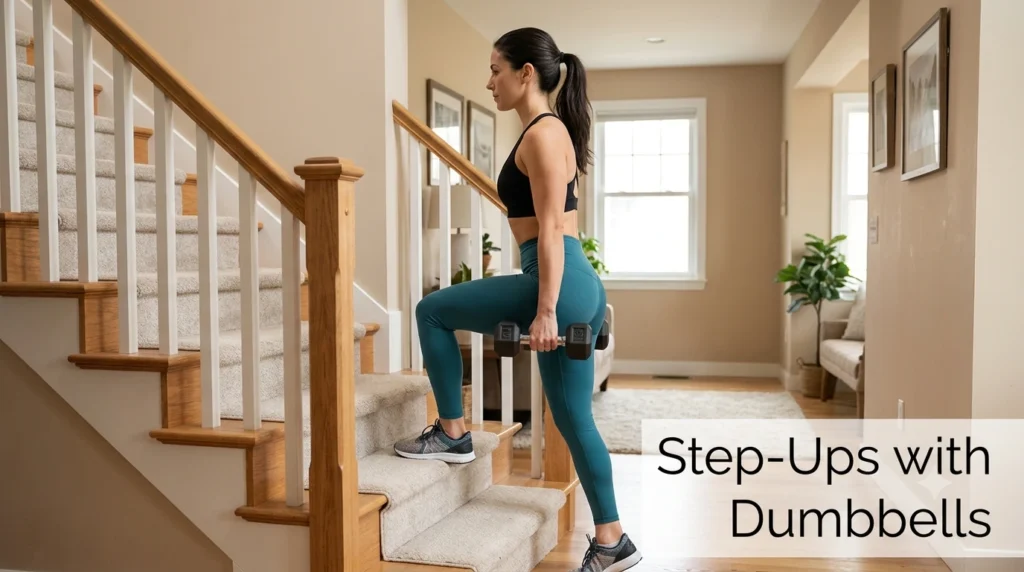
Equipment required: A pair of dumbbells and a space at home.
Which muscles are targeted: Outer thighs and glutes, also engaging your hamstrings and calf muscles.
How to perform them: Stand tall facing the stairs, holding a dumbbell in each hand. Place one foot on the stairs. Step up until you stand straight, letting your opposite foot rest on top. Go down with firmly, finish your reps, and repeat on the other side as well.
Importance of a stable platform: Using a rock-solid platform like a staircase provides stability for your front leg and keeps your grip, ankles and knees safe throughout the exercise.
8. Smith Machine Squat
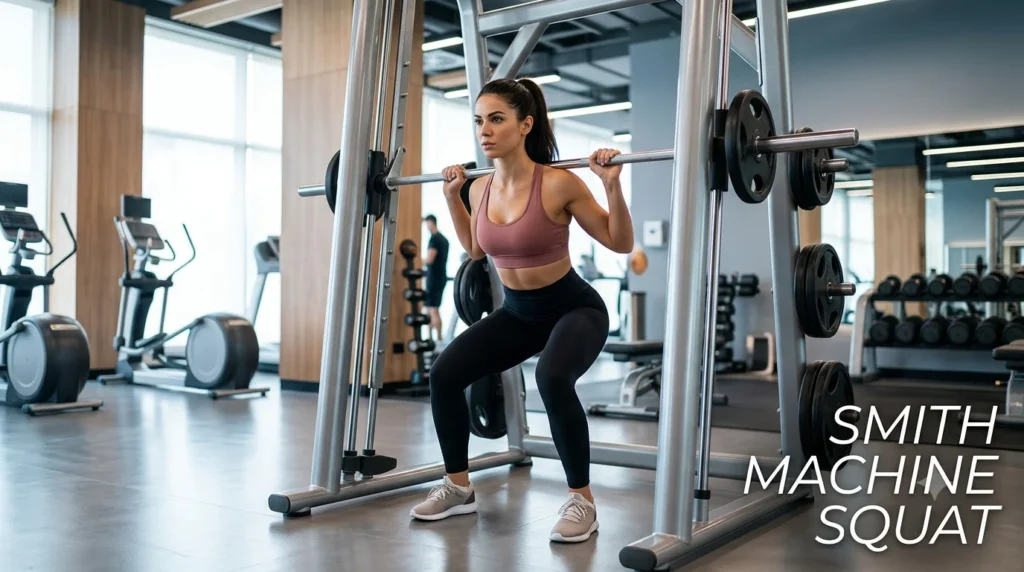
Equipment required: Smith machine in the gym.
Which muscles are targeted: Quadriceps and glutes, with engaging your hamstrings, calves, and lower back.
How to perform it: Start with a hip-width stance, with your back straight and grasp the bar with an overhand grip. Lift the bar off the rack with a slight backward twist to remove the safety hooks from the safety bar. Keeping your torso upright, lower your body into a squat by bending your hips until your hams reach parallel to the ground. Press to the ground and move up to standing and repeat.
How this exercise differs from the leg press: Smith machine squats are a compound exercise that involves a full lower body workout, while the leg press gives a safer, more focused target to the hamstrings, quads and glutes.
9. Resistance Band Squat

Equipment required: A good quality resistance band and a bit of space.
Which muscles are targeted: It focuses on your quads and glutes, with also engaging your hamstrings, calves, lower back, and core.
How to perform them: Step onto the resistance band, place your feet about hip-width apart and pull the handles up behind your arms. Don’t forget to inhale and exhale during the workout. Squat down into an imaginary chair; keep your booty down. Hips below the heart, heart below the head. Keep your chest up and squeeze your glutes all the way up. Press your heels into the ground and press up to the ground. Do as many as you are comfortable.
Benefits for home workouts: Resistance bands offer a portable, low-impact workout that improves mobility without going to a gym. Bands increase tension as you go to the top of the squat, making them extremely joint-friendly for muscle-building goals.
10. Pistol Squat
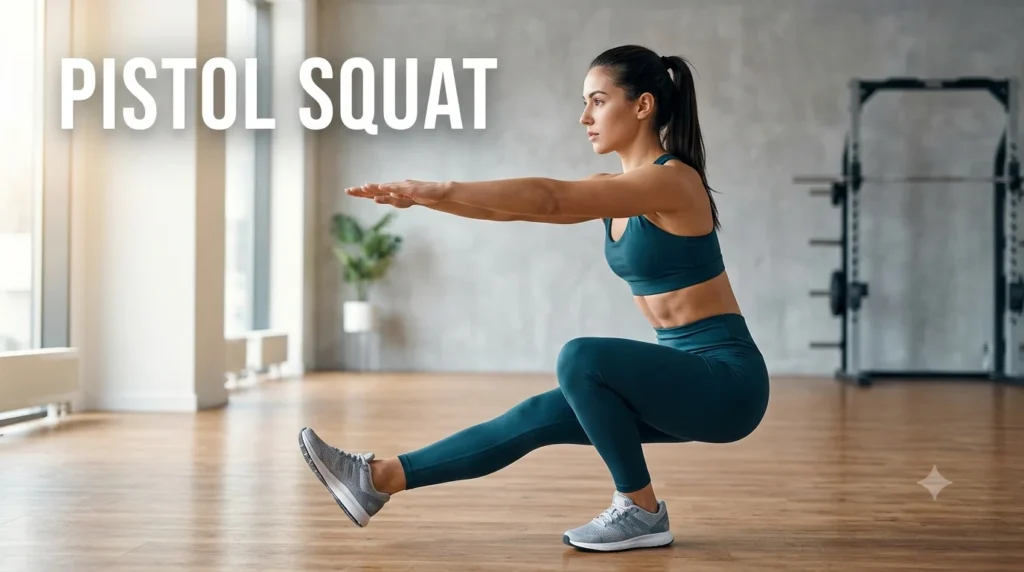
- Equipment required: Not required
- Which muscles are targeted: Quads and glutes, with engagement of your core, hip flexors, calves, and ankles.
- How to perform them: Stand on one foot with the other leg placed forward. Stretch your arms forward and move down into a deep single-leg squat. Move down until your hips touch your calf while keeping your other leg off the floor. Hold for a few seconds at the bottom, then move up.
- Beginner modifications: If you can’t do this exercise with a full-depth movement, try sitting down on a heavy, sturdy chair or bed first to build strength initially. You can also take support from a pole or wall while practicing this whole workout. Alternatively, sitting back on a bench and standing up on one leg helps train the upward movement safely.
Leg Press Alternatives Compared: Equipment, Difficulty and Muscles Worked
Exercise | Equipment | Difficulty | Primary Muscles Worked |
Hack Squat | Machine | Intermediate | Quads, glutes |
Barbell Back Squat | Barbell | Intermediate | Quads, glutes, hamstrings |
Front Squat | Barbell | Advanced | Quads, core, glutes |
Goblet Squat | Dumbbell | Beginner | Quads, glutes |
Bulgarian Split Squat | Bench / Dumbbells | Intermediate | Quads, glutes |
Dumbbell Lunges | Dumbbells | Beginner–Intermediate | Quads, glutes, hamstrings |
Step-Ups | Bench / Dumbbells | Beginner–Intermediate | Quads, glutes |
Smith Machine Squat | Machine | Beginner–Intermediate | Quads, glutes |
Resistance Band Squat | Resistance band | Beginner | Quads, glutes |
Pistol Squat | Bodyweight | Advanced | Quads, glutes, core |
Wall Sit | Bodyweight | Beginner | Quads, glutes |
Tips for Getting Better Results from exercises that are alternatives to Leg Press exercise
Focus on Proper Exercise Technique
You should always focus on maintaining proper exercise technique. For example, when you are doing a hack squat, you should keep your knees open and not bend them during the workout, as it can put pressure on your knee joint, which will stop you from doing more reps.
Gradually Increase Resistance
It’s most important to achieve progressive overload while doing the workout to improve and gain muscle, as over the passing days your body will adapt to the weight that you are lifting, making it easier for you to lift the weight. So, that’s why progressive overload is necessary, either with weights or repetitions.
Allow Adequate Recovery Between Workouts
Most people either take too long a rest or do not rest during the workout. It is very crucial for your body to take 30 – 60 seconds of rest between sets. If you are lifting the lightest weight, you can take 30 seconds of rest, and if you are lifting much heavier weight than usual, then you must take 40 – 60 seconds of rest.
Form and Range of Motion
A clean form workout is ideal to hit muscle hypertrophy, as it trains the target muscle for which you are doing the workout. Example: if you are doing a weighted barbell back squat, then you must go with a full depth and range of motion, which maximizes the use of the quads, hamstrings and glutes and, in turn, trains these muscles in a much greater range.
Do not forget to do a cool-down exercise
When you are exhausted after an intense workout, your body and mind want to feel relaxed. So, for this, you must always do cool-down stretches, which you can easily watch on YouTube. One of the reasons why some gym-goers or people who do bodyweight training at home tend to be absent the next day after a workout is that their muscles are not relaxed, or they might be experiencing muscle stiffness. Hence, always complete your workout session with a few cool-down exercises, like chest hold stretch or child’s pose.
Frequently Asked Questions
What Is the Closest Alternative to a Leg Press?
The hack squat is one of the closest alternatives to the leg press because both exercises use guided resistance to train the quadriceps and glutes. However, the hack squat involves a more upright body position and requires greater stabilization from the upper body.
Can Squats Replace Leg Press for Building Leg Muscles?
Yes, squats can replace leg presses for building leg muscles. Barbell squats, front squats, and goblet squats challenge the quadriceps and glutes while also engaging stabilizing muscles. Choose a variation that matches your experience, strength, and available equipment.
What Is the Best Leg Press Alternative at Home?
Goblet squats, dumbbell lunges, resistance band squats, and bodyweight split squats are practical alternatives for home workouts. They require minimal equipment and help strengthen the lower body without using a leg press machine.
Can I Build Strong Legs Without a Leg Press Machine?
Absolutely! You can build stronger legs without a leg press machine by performing squats, lunges, step-ups, and other resistance exercises. Focus on proper technique, progressive overload, sufficient recovery, and consistent training to support muscle development.
Which Leg Press Alternative Is Best for Beginners?
Goblet squats are a good starting option for beginners because holding a dumbbell provides resistance while allowing a relatively straightforward squat movement. Beginners can also start with bodyweight squats and gradually increase resistance as their technique and strength improve.
Are Leg Press Alternatives Effective for Building Quadriceps?
Yes, exercises such as hack squats, front squats, goblet squats, and Bulgarian split squats can effectively develop the quadriceps. Choose exercises that allow a comfortable range of motion and progressively challenging resistance.
Can Bodyweight Exercises Replace the Leg Press?
Bodyweight squats, split squats, step-ups, and wall sits can help strengthen your legs without external weights. However, as your strength improves, you may need additional resistance or more challenging variations to continue progressing.
Takeaways
I hope you all get what most of you were expecting: the best alternative exercises to the leg press that you can do at home with equipment or without equipment. But I just want to say one thing: it doesn’t matter whether you want to train your legs by doing leg press or alternative exercises to the leg press; what matters most is your correct form, proper technique, your consistency with the routine and always gradually increasing the resistance.
Sources And References
https://www.iliveactive.com/Health/Mind-andBody/Mobility/Functionality/Functional-vs-Traditional-Mobility
https://app.foundationalrehab.com/blog/leg-press-complete-guide
What Does the Leg Press Target? Muscles Explained
https://theworkoutmag.com/equipment-workout/leg-press-hamstrings-glutes-benchmarks